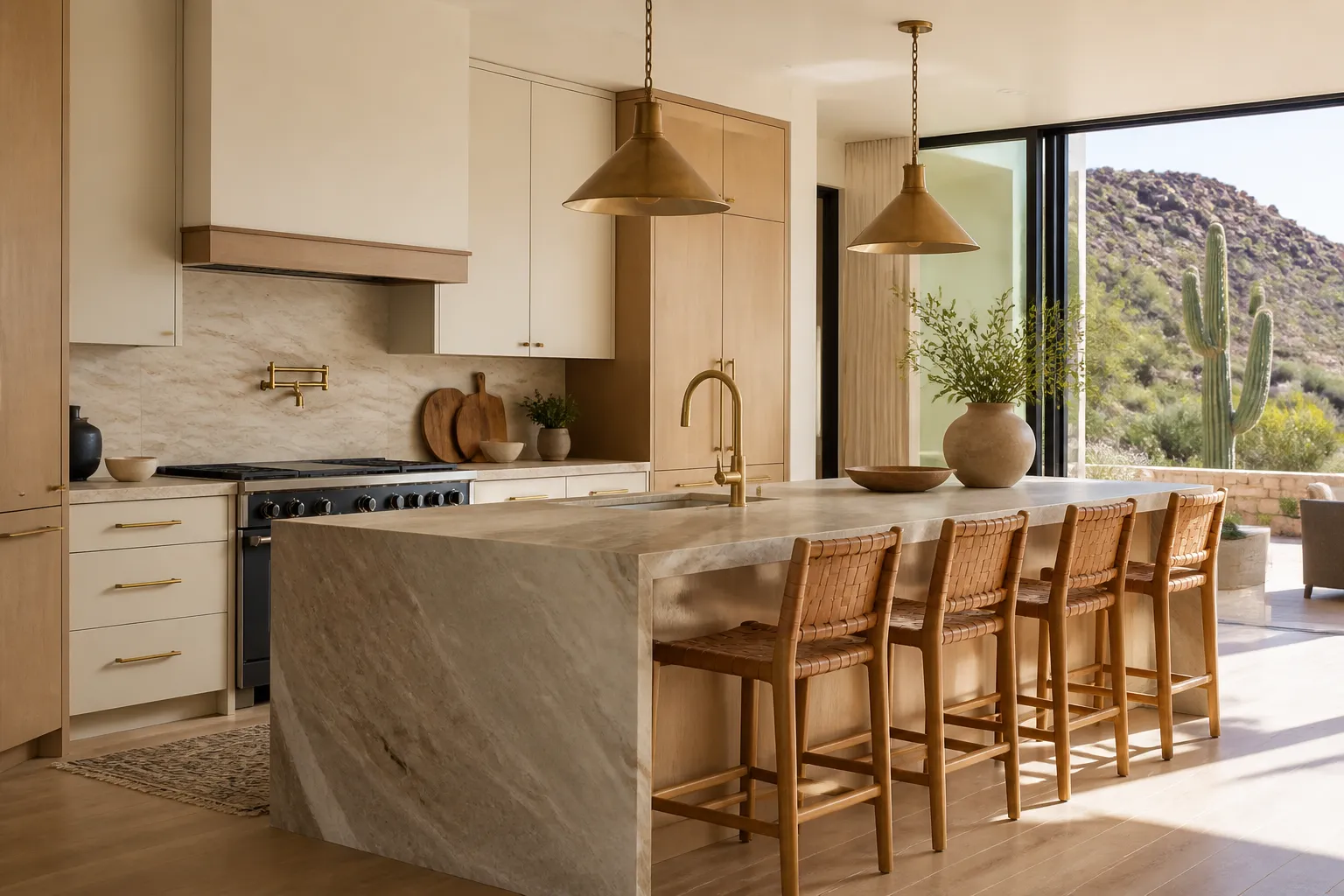
Scottsdale Elite Cabinets helps homeowners compare shaker and slab cabinets by looking at the whole kitchen, not just a single door sample. These two styles are popular for good reason, but they create very different visual effects in a finished room.
Shaker cabinets offer a framed, recessed-panel appearance. Slab cabinets use a flat door face with minimal detail. The best choice depends on your home’s style, the desired level of visual texture, and the finishes that will surround the cabinetry.
Understanding shaker cabinet doors
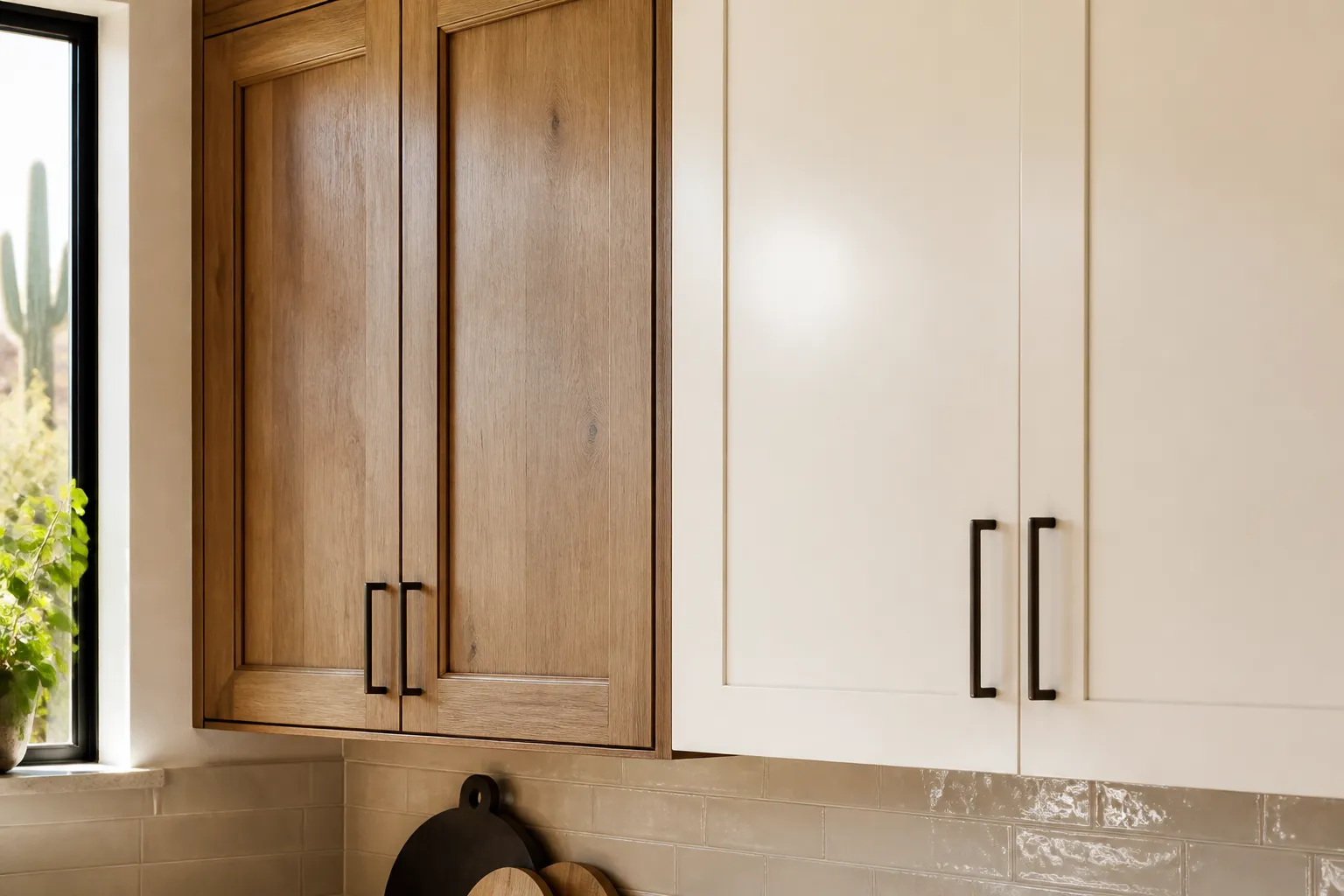
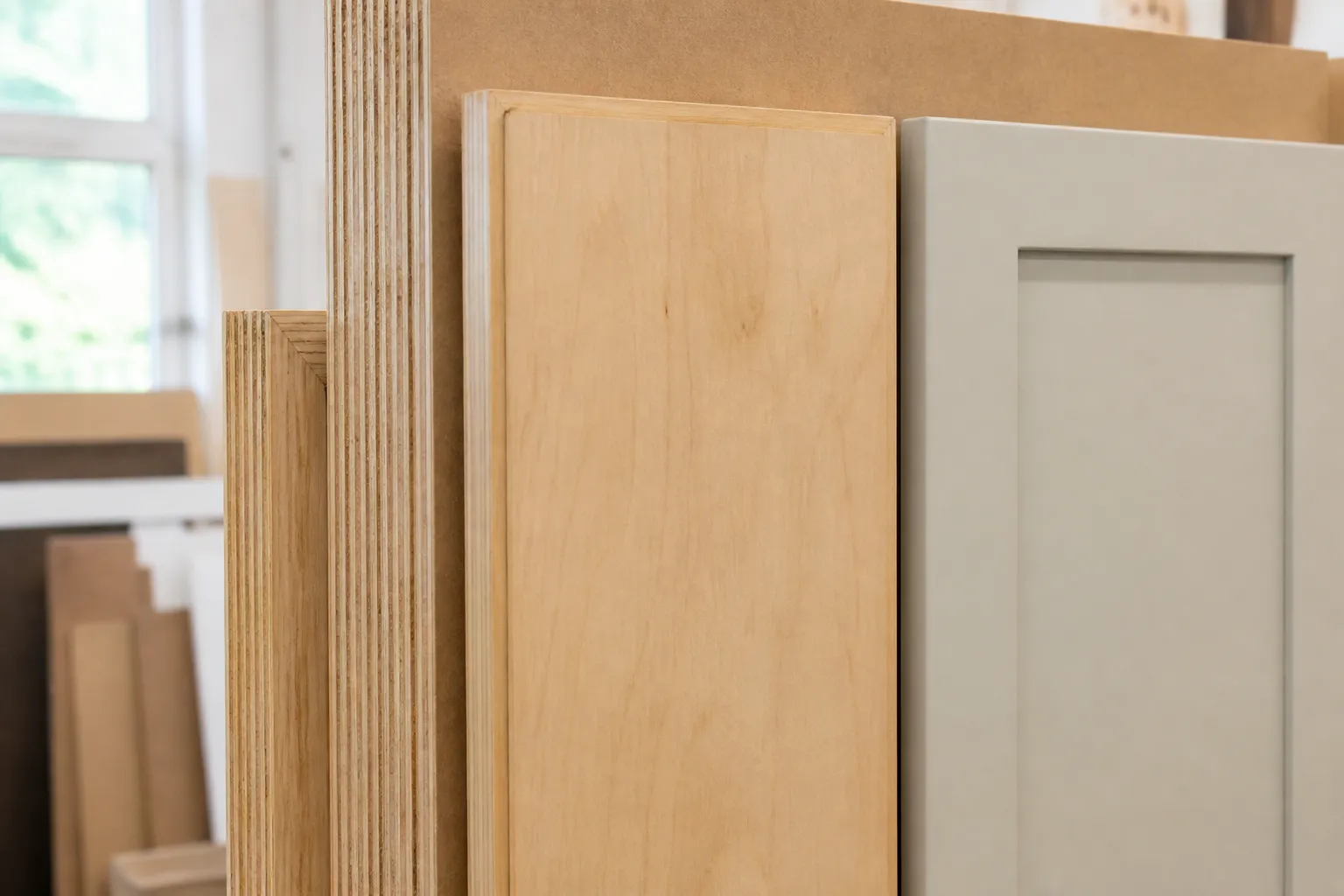
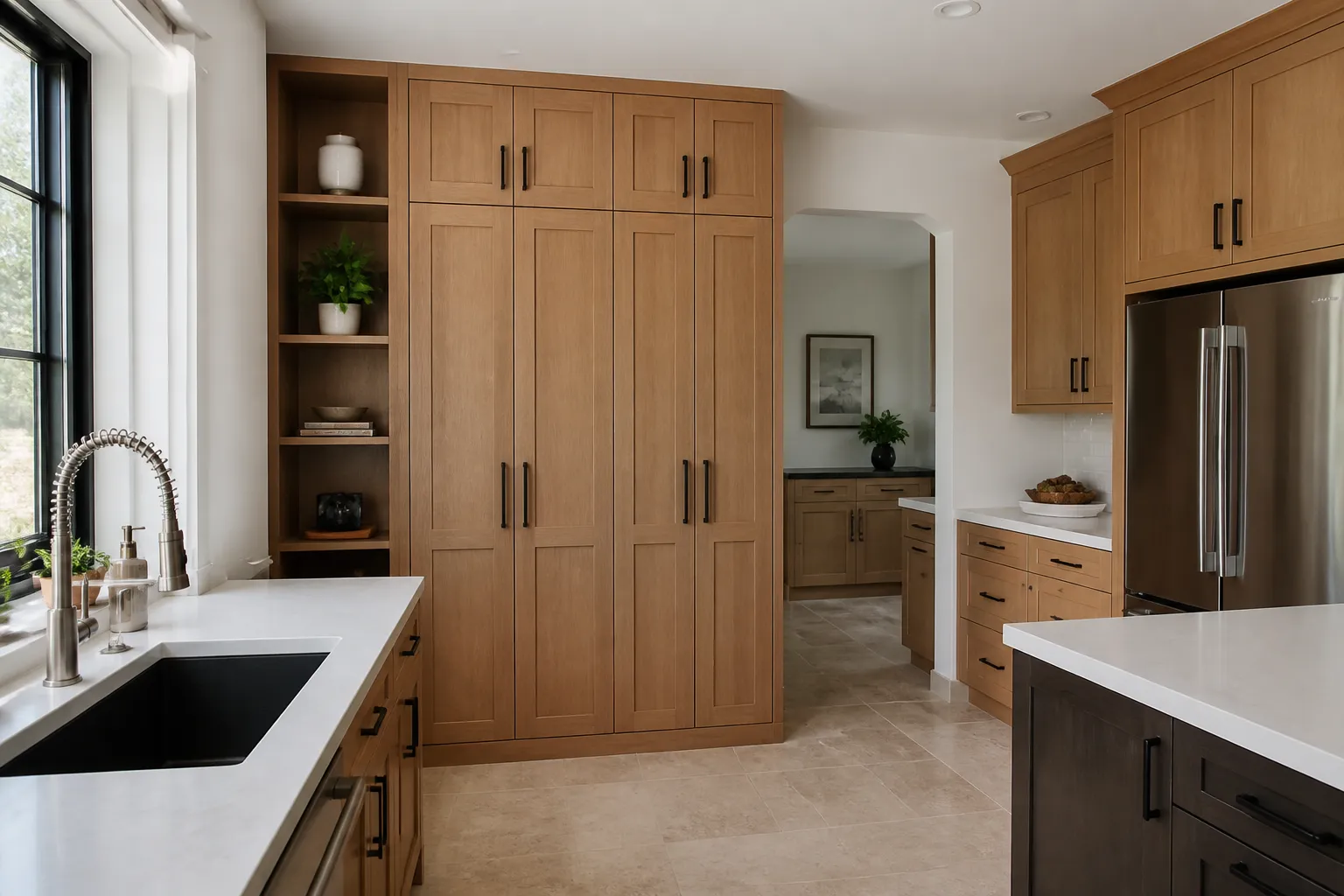
Shaker doors typically have a square or rectangular frame around a recessed center panel. The design is simple, but the frame creates shadow lines that add dimension. This makes shaker a flexible option for kitchens that need some detail without looking ornate.
Shaker doors can support traditional, transitional, and even contemporary directions depending on the paint color, wood finish, hardware, and surrounding materials. Their versatility is why they appear in many different types of Scottsdale homes.
Understanding slab cabinet doors
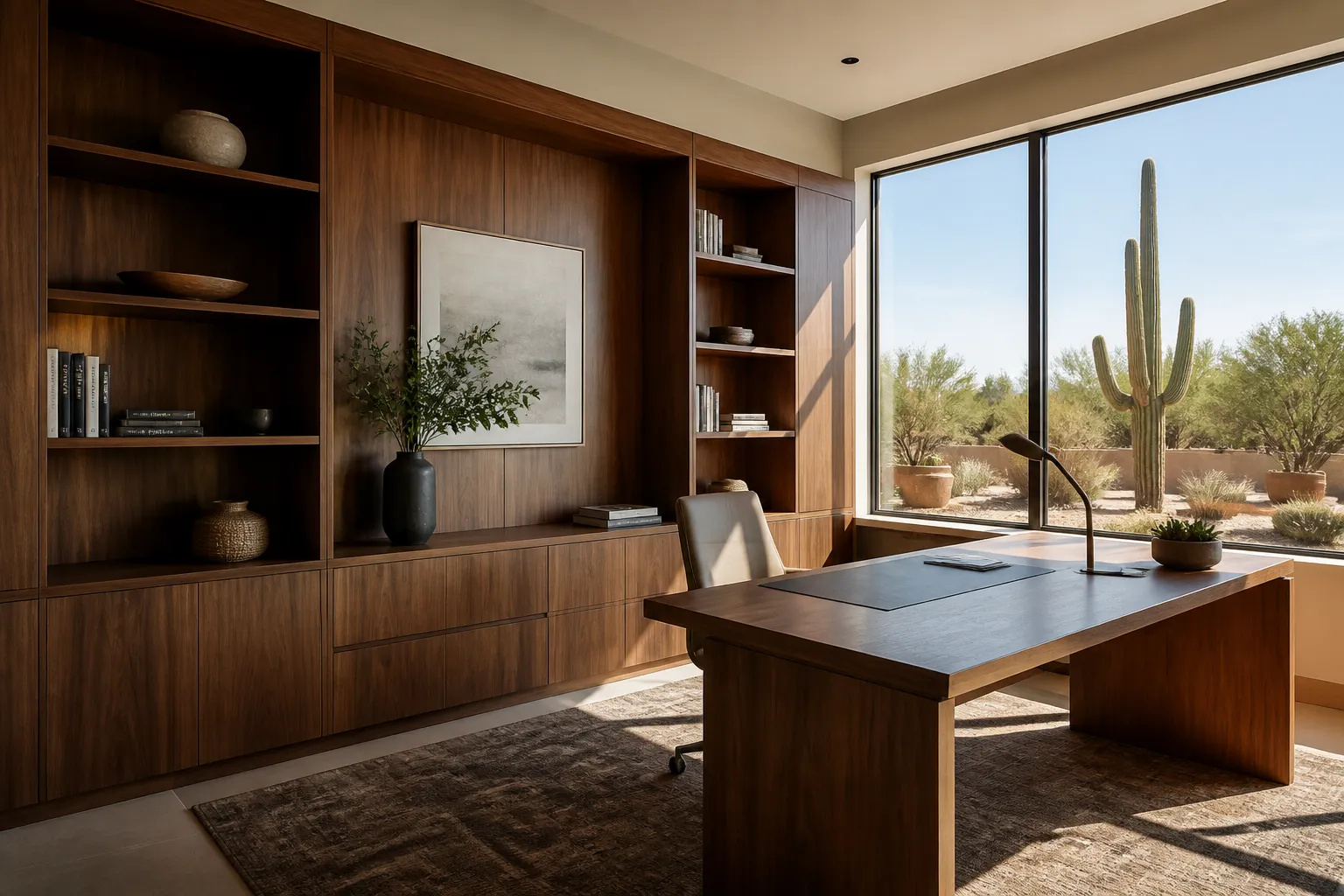
Slab doors have a flat, uninterrupted face. With fewer visual lines, they create a clean and modern appearance. They can be finished in paint, wood veneer, laminate, or other materials depending on the cabinet line and design plan.
This simplicity makes slab doors a natural fit for contemporary kitchens, but the final effect still depends on the finish. A warm wood slab door can feel inviting and organic, while a matte painted slab door can feel crisp and architectural.
How each style affects the room
Door style influences how visually active a kitchen feels. Shaker cabinets add depth through the recessed panel, which can be helpful in a large open room that needs texture. In a smaller kitchen, the same lines may create more visual activity than desired.
Slab cabinets reduce visual interruption. They can make a room feel calmer and more streamlined, especially when paired with simple hardware and a restrained palette. They may not be the ideal match for a home with strongly traditional trim or furniture unless the contrast is intentional.
Cleaning and everyday use
Both styles can be practical for everyday kitchens. Shaker doors have corners and recessed areas that may collect dust or cooking residue over time, so they benefit from regular wiping. Slab fronts are generally faster to wipe because the surface is flat.
That difference should be considered in context. Your cooking habits, cabinet color, hardware choice, and willingness to maintain details matter more than a single cleaning rule.
Finishes and hardware
Shaker cabinets often pair well with knobs, pulls, and classic finishes, but they can also use simple modern hardware. Slab cabinets can feature minimal pulls, edge pulls, or a more graphic hardware choice. Review these selections together, as hardware can significantly shift the final style.
Bring counters, backsplash ideas, flooring samples, and lighting into the decision. The cabinet door is only one part of the composition, and it should support the other fixed materials in the room.
Choosing between shaker and slab
- Choose shaker for a versatile door with framed visual detail.
- Choose slab for a smooth, minimal, contemporary look.
- Use finish samples to see how each profile responds to your light.
- Consider the architecture and adjacent rooms before committing.
There is no universal winner. The right cabinet door is the one that supports your preferred style and daily routine. Contact us to compare shaker and slab options for your kitchen project.